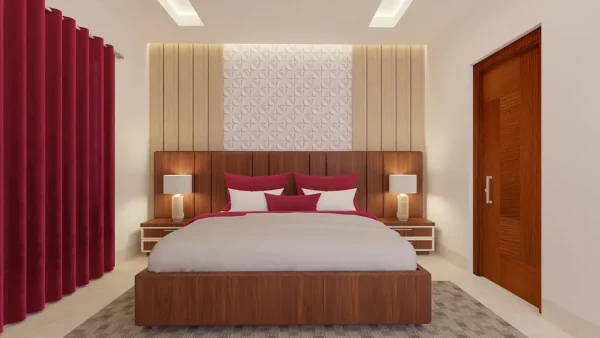
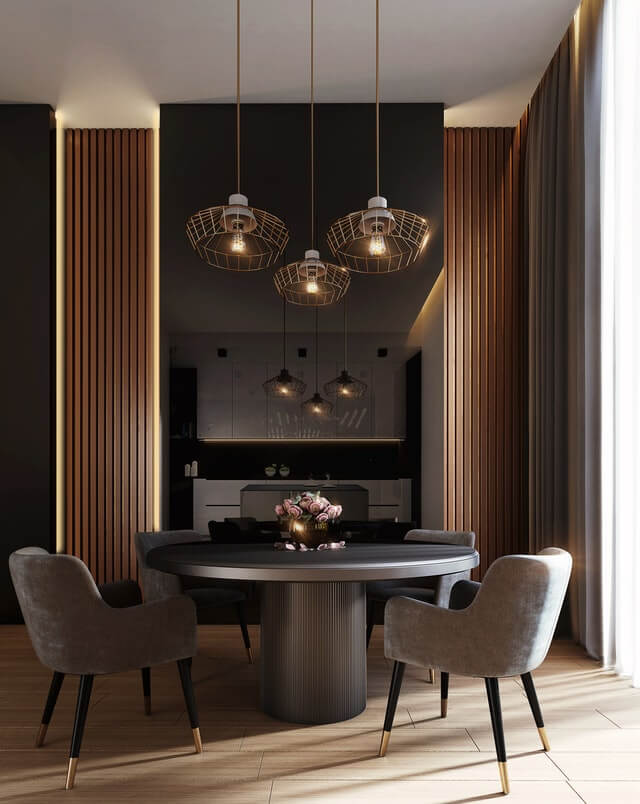
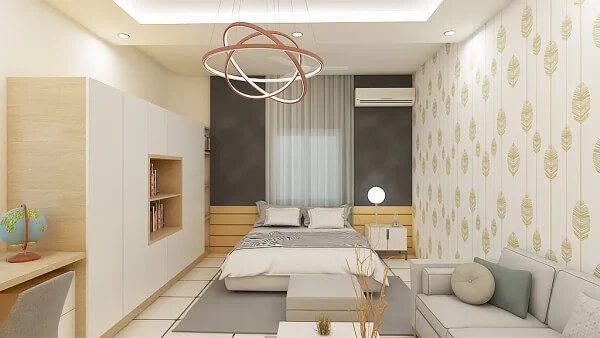
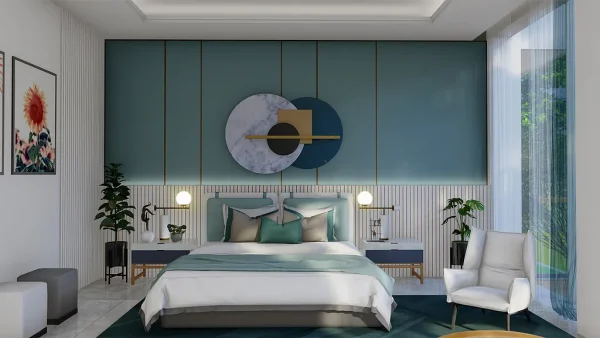
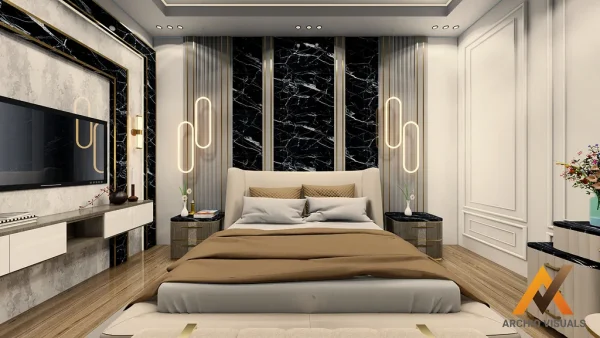
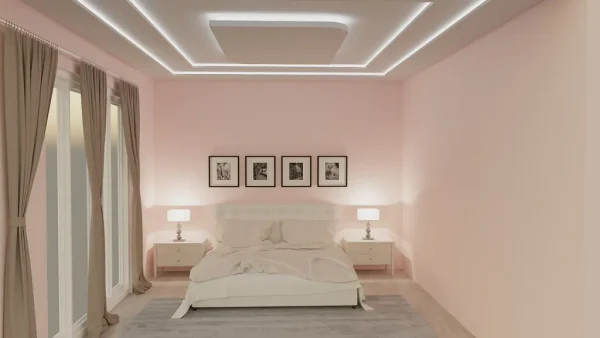
As we move forward in the world of interior design, it’s essential to stay updated on the latest trends that can transform spaces and enhance the quality of life. Each trend offers unique benefits and reflects changing attitudes toward living and working environments. Let’s dive into some of the most noteworthy trends influencing interior design today.
Sustainable Design Practices
One of the most significant trends shaping the future of interior design is sustainable design practices. In recent years, I’ve noticed a growing awareness surrounding environmental responsibility, and this is reflected in many of the projects I undertake. Sustainable design focuses on creating environments that are not only beautiful and functional but also eco-friendly.
Here are some ways sustainable practices manifest in design:
- Use of Eco-Friendly Materials: Designers are increasingly opting for materials that are renewable, recyclable, or have low environmental impact. For instance, reclaimed wood, bamboo, and recycled metals are becoming staples in many designs. I once worked on a residential project where we installed reclaimed wood flooring, which not only looked stunning but also supported sustainability.
- Energy Efficiency: Incorporating energy-efficient appliances and lighting options is another aspect. LED lights, for instance, not only consume less energy but also last longer than traditional bulbs. I often recommend smart home technology that allows homeowners to optimize energy use.
- Indoor Air Quality: Sustainable design also emphasizes improving indoor air quality by using low-VOC (volatile organic compounds) paints and finishes. This approach ensures that the interior is better for the health of its occupants. For a commercial client, we switched to eco-friendly paints, creating a healthier work environment for employees.
Incorporating sustainability not only benefits the planet but also adds long-term value to spaces, making it a win-win for designers and clients alike.
Minimalist and Scandinavian Design
Another trend that continues to thrive is minimalist and Scandinavian design. Rooted in the philosophy of “less is more,” these styles focus on functionality, simplicity, and a sense of calm. I’ve found that many clients are drawn to this approach, seeking to create spaces that promote peace and relaxation amidst their busy lives.
Key hallmarks of this trend include:
- Clean Lines and Neutral Palettes: Minimalist interiors feature sleek lines and often stick to a neutral color palette, incorporating soft whites, grays, and natural hues. One client wanted a serene escape in their city apartment. By using whites and light woods, we created a bright, airy atmosphere that feels spacious.
- Natural Light Utilization: Emphasizing natural light is essential in these designs. Large windows, open spaces, and light-reflective materials help create an uplifting environment. I remember a day when we installed floor-to-ceiling windows in a home, allowing sunlight to flood in and dramatically change the interior vibe.
- Functional Furniture: In minimalist design, every piece of furniture serves a purpose. Multi-functional furniture, such as a sofa bed or ottoman with storage, is increasingly popular. In one of my recent projects, I chose elegant pieces that maximized utility without sacrificing style.
- Textural Variety: While minimalist design favors simplicity, it also celebrates textural contrast. Soft fabrics, natural woods, and stone elements can all coexist to create warmth without clutter.
This trend’s appeal lies in its focus on creating peaceful environments that invite relaxation and mindfulness.
Use of Biophilic Design Elements
Last but not least, biophilic design is gaining traction as a method to connect individuals with nature, leading to improved well-being and productivity. This approach integrates natural elements into interior spaces, allowing the positive effects of nature to permeate the built environment.
Elements of biophilic design often include:
- Living Walls and Indoor Gardens: Introducing greenery into interiors has exploded in popularity. I once designed a commercial space that featured a living wall rich with plants. The result was breathtaking! Not only did it enhance the aesthetics, but it also improved air quality and provided a calming effect for employees and clients alike.
- Natural Materials and Light: Wood, stone, and fibers derived from nature can all help create a connection to the outdoors. During a recent residential project, we used natural stone countertops and wooden furniture to incorporate a feeling of warmth inspired by nature.
- Nature-Inspired Colors and Patterns: Earthy colors and organic patterns can mimic the natural environment. I often incorporate soft greens, browns, and blues, creating a soothing ambiance reminiscent of the great outdoors.
- Views of Nature: Designing spaces to maximize views of landscapes or gardens is another key aspect of biophilic design. Window placement is crucial, as it can change the dynamics of the indoor space immensely.
By embracing biophilic design, we create spaces that nourish the mind and body, promoting overall wellness.
In conclusion, these trends – sustainable practices, minimalist and Scandinavian themes, and biophilic elements – reflect our evolving relationship with our spaces and surroundings. They remind us that design is not just about aesthetics; it’s about creating environments that improve our quality of life and align with our principles. Each trend offers distinct ways to express individuality while leading to healthier, more enjoyable living and working environments. So, as you think about your next design project, consider how these trends might inspire your own space!
Benefits of Hiring Interior Design Services
Embarking on an interior design project can be both exhilarating and overwhelming. From managing budgets to selecting materials, there’s a lot to consider! That’s where hiring professional interior design services comes into play. Having experienced designers on your side not only simplifies the process but also brings a wealth of advantages. Let’s explore some of the key benefits of hiring interior design services.