
Best Hotel Interior Design Services
Hotel interior design is more than visual appeal—it shapes how guests feel, relax, dine, and remember their stay. In today’s competitive hospitality market, hotels in Bangladesh must deliver immersive environments, functional layouts, and strong brand identities to stand out. A well-designed hotel can increase guest satisfaction, boost online ratings, and improve revenue performance across rooms, restaurants, lobbies, and event spaces. Whether you’re building a boutique hotel, a business-class property, or a luxury resort, professional hotel interior design ensures your space feels comfortable, memorable, and operationally efficient.
Need Help?
+880 1234 567890
There are many variations of services available. Contact us to learn more.
Why Hotel Interior Design Matters
First 30 seconds decide everything. Warm 2800K lighting eases travel stress. Wide corridors calm minds. Soft textures feel like home. Sound-absorbing panels hush hallway noise. Guests relax faster.
They sleep deeper. They extend stays. One boutique in Dhaka we redesigned saw a 34% increase in booking extensions. Cold lights and hard floors? Guests leave early and never return. Hexagon designs for the senses. Plants breathe freshness. Local tea warms feet. Every corner says “you belong here”.
Your hotel must feel different the moment guests step in. Boutique? Handcrafted jute and brass. Business hotel? Clean lines, muted blues. Resort? Open flow, sea tones, natural wood. Heritage property? Restored motifs, antique mirrors.
When interiors match the promise, trust grows. Reviews mention “felt exactly like the photos”. Generic design blends into the crowd. Hexagon tells your story in every detail. Logo colours flow into carpets. Artwork reflects local soul. Your brand becomes unforgettable.

Key Areas of Hotel Interior Design
Every hotel zone plays a distinct role, and Hexagon Architects treats each with equal precision. The lobby and reception deliver that vital first wow—dramatic lighting, statement art, plush seating clusters, and a sleek check-in counter that feels effortless despite handling hundreds daily. Guest rooms and suites become private sanctuaries through layered lighting, noise-blocking walls, ergonomic beds, warm local woods, clever hidden storage, and spa-like bathrooms that make guests instantly unwind. Restaurants and cafés inside the hotel carry their own identity—concept-driven themes, signature pendant lights, acoustic panels for intimate conversations, durable yet beautiful materials, and seating that keeps diners longer and spending more. Banquet halls and conference rooms transform in minutes with flexible partitions, mood-shifting lights, perfect sound treatment, and seamless AV integration for weddings one night and board meetings the next. Spa, gym, and wellness areas wrap visitors in calm—soft ambient light, natural stone and timber, water features, private zoning, and textures that lower heart rates the moment you step in. Finally, corridors and public spaces, often ignored by others, receive the same care at Hexagon—subtle artwork, warm directional lighting, clear signage, and safety features that guide guests smoothly while reinforcing the hotel’s personality at every turn. When all six areas work in harmony, your hotel doesn’t just look beautiful—it performs beautifully, night after night.

As I transitioned from simply enjoying interior design to becoming an advocate for its importance, I’ve seen firsthand the impact well-designed spaces have on clients. One project that stands out was an office redesign. By utilizing smart design principles, we transformed a cluttered workspace into an organized and visually appealing environment. The feedback from employees was incredible; they reported increased productivity and overall job satisfaction.
In conclusion, interior design isn’t just about aesthetic appeal; it’s about creating spaces where people live, work, and thrive. With professional design services, we can turn your vision into reality, ensuring that your space embodies not only your style but also operates seamlessly for your needs. If you’re ready to elevate your environment, let’s embark on this transformational journey together. Whether it’s a cozy home, an innovative office, or a trendy restaurant, the possibilities are boundless!

Importance of Interior Design in Coffee Shops
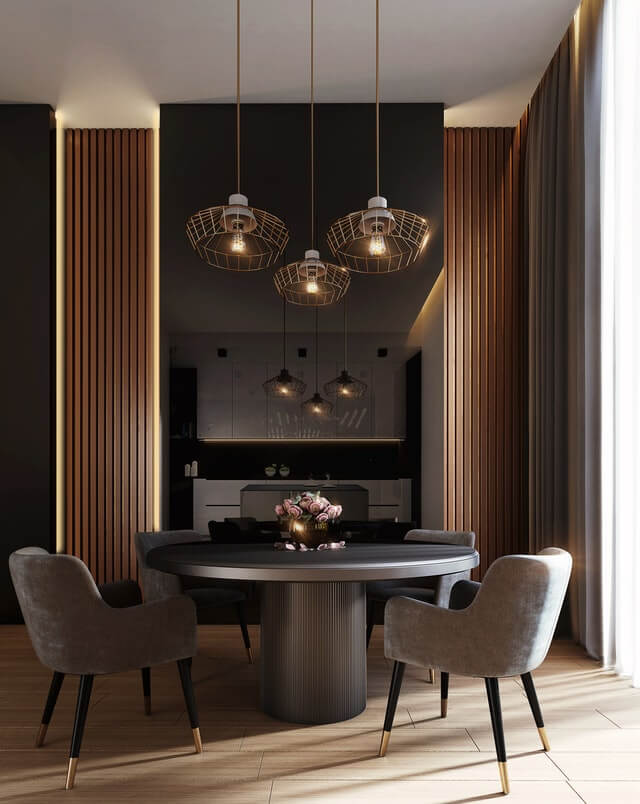
Architectural design consultancy
Engineering design service
Building supervision and construction service:
Documentation and approval services
Interior Design Service
Exterior Design Service
Residential Interior Design
Residential interior design focuses on creating comfortable, functional, and personalized living spaces. It involves careful selection of colors, furniture, and layouts to reflect the homeowner’s personality.
- Space Planning: Ensuring every area is efficiently used.
- Material & Color Selection: Setting the mood and ambiance.
- Decor & Accessories: Adding warmth and individuality.
Ultimately, it’s about building harmony and comfort while showcasing the homeowner’s story.
Commercial Interior Design
Commercial design is all about functionality and branding — from offices to retail spaces. It creates environments that boost productivity and reinforce company identity.
- Brand Identity: Integrating colors, materials, and design with the business’s vision.
- Workflow Optimization: Creating efficient layouts for employees and clients.
- Regulations: Meeting safety and accessibility standards.
Hospitality Interior Design
Hospitality design defines the experience of guests in hotels, restaurants, and resorts. It blends aesthetics with durability to create memorable and welcoming spaces.
- Theme Creation: Building immersive experiences through color and texture.
- Guest Experience: Prioritizing comfort and elegance.
- Durability: Using materials that sustain long-term use without compromising luxury.
Different Types of Interior Design Services:
Residential Interior Design:
When we talk about interior design, one of the most familiar areas is residential design. After all, our homes are our sanctuaries, and the way we design them reflects our personalities and lifestyles. Residential interior design encompasses everything from selecting color palettes to creating functional layouts that meet the needs of family members.
In my experience, each home is unique, and the key to excellent residential design lies in understanding the client’s vision. Here’s what a typical residential design project might include:
- Space Planning: This is crucial for ensuring that every room serves its purpose efficiently. For instance, when re-designing my friend’s living room, we had to find a balance between comfort and space for social gatherings.
- Color and Material Selection: Choosing the right color scheme and materials can drastically affect the ambiance of a home. I always encourage clients to think about textures and colors that make them feel at ease and reflect their personal style.
- Furniture Layout: Finding the best layout can transform how a room feels. One memorable project involved rearranging furniture in a small apartment to create an illusion of space, which made my client feel more at home.
- Decor and Accessories: Finally, the finishing touches – art, plants, and other decor elements – truly bring a home to life. I love incorporating personal items that tell a story and provide a deeper connection to the space.
Residential interior design is all about creating a harmonious atmosphere that tells the homeowner’s story while providing comfort, functionality, and aesthetics.
Commercial Interior Design:
On the other hand, commercial interior design focuses on creating spaces that are not just visually appealing but also serve specific business needs. This could include offices, retail stores, or any public space where people interact and conduct business.
The transformative power of good design in commercial spaces cannot be overstated. I recently worked on an office redesign that was aimed at fostering collaboration among team members. Here’s how the project unfolded:
- Brand Representation: The design of a commercial space should reflect the brand’s identity. For instance, while working with a tech startup, we chose modern fixtures and open spaces to embody their innovative approach.
- Functional Layout: The layout must accommodate workflows and enhance productivity. I often advocate for open spaces that encourage interaction while also providing enclosed areas for focused work. Balancing these needs is crucial.
- Client Experience: For retail environments, the interior should create an inviting atmosphere that encourages customers to explore. In one project for a boutique, we used a carefully curated layout, enriched colors, and strategic lighting to enhance the shopping experience.
- Regulatory Compliance: Working within commercial settings often involves adhering to strict regulations related to safety and accessibility, ensuring that the spaces are as functional as they are beautiful.
Commercial interior design is about creating environments that are not only efficient but also enhance the customer and employee experience.
Hospitality Interior Design:
Hospitality interior design is another fascinating subset, specifically focused on designing spaces for hotels, restaurants, and resorts. This type of design is all about creating memorable experiences for guests.
I remember working on a boutique hotel redesign. It was essential to capture the essence of the local culture while providing guests with comfort and luxury. Important elements to consider included:
- Theme Development: Hospitality spaces often revolve around a specific theme or atmosphere that can set them apart from competitors. We chose a coastal theme for the hotel to reflect its beachside location with sandy hues and nautical decor.
- Guest Experience: The design should evoke a positive emotional response. Incorporating comfortable lounges and inviting bars can encourage guests to linger. For instance, the lobby we designed used soft lighting and comfortable seating to create a welcoming first impression.
- Functional Considerations: In restaurants, the layout affects both guest satisfaction and staff flow. We designed a space that allowed for smooth traffic between kitchen, dining, and restrooms, which enhanced service efficiency.
- Durability: Hospitality spaces endure heavy foot traffic, which means materials need to withstand wear and tear without sacrificing style.
In this niche, it’s essential to create spaces where guests feel relaxed and rejuvenated while also illustrating the unique character of the establishment.
In summary, different types of interior design services cater to various needs, from the comfort of our homes to the efficiency of commercial spaces and the welcoming nature of hospitality venues. Each approach is crucial in creating environments that foster well-being, brand identity, and unforgettable experiences. Whether you’re a homeowner or a business owner, understanding these categories can guide you in selecting the right design service for your needs.
Hotel Design Trends in Bangladesh
You book a hotel in Dhaka. The room greets you with bamboo screens and soft greens. A app dims the lights. Local motifs whisper heritage. This is 2025. Bangladesh’s hotel scene blends global polish with local soul. Urban growth fuels it. Guests crave eco-luxury and smart ease. I design hotels for 20 years. Hexagon Architects leads with 15 years of Dhaka projects. Here are the top five trends. Each adds value. We bring them to life.
Biophilic Design: Nature Indoors
Greenery heals in humid Dhaka. Vertical gardens climb walls. Bamboo frames views. Natural textures like jute rugs soothe feet. 60% of designers now prioritize this. It cuts stress 15% and boosts sleep.
Pros: Air purifies. Guests linger longer. Energy drops via daylight. Cons: Plants need upkeep in monsoons. Hexagon weaves ferns into lobbies. One Gulshan hotel saw 25% higher reviews post-redesign.
Minimal Luxury: Clean Lines, Rich Touches
Simplicity rules. Sleek whites meet high-end marble. Simple lines hide smart storage. Neutral palettes let accents shine. This fits small urban suites. 70% of guests prefer it for calm.
Pros: Feels spacious. Maintenance eases. Rates rise 20%. Cons: Can seem stark without warmth. We add subtle brass at Hexagon. A 100-room chain upgraded to this—occupancy jumped 18%.
Cultural Infusion: Heritage Meets Modern
Local pride blooms. Nakshi Kantha textiles drape beds. Jamdani motifs pattern walls. Handcrafted brass lamps glow. These roots global travelers in Bengal. 50% of designs now fuse it.
Pros: Builds emotional ties. Instagram shares soar 40%. Unique edge over chains. Cons: Sourcing artisans delays timelines.
Hexagon crafts custom murals. A heritage hotel in Sylhet gained 35% repeat guests.
Smart Automation: Effortless Tech
Keyless doors unlock via phone. Lights adjust to mood. Digital concierges suggest tours. Voice controls dim curtains. 65% of Bangladeshi hotels adopt this. It saves 20% on energy.
Pros: Boosts convenience. Enhances security. F&B orders rise 15%. Cons: Tech glitches frustrate if not seamless.
Hexagon integrates hidden hubs. A business hotel cut check-in to 30 seconds.


Frequently Asked Questions
We offer complete architectural design solutions for residential, public, and religious buildings. Our services include designing houses, apartments, community centers, mosques, temples, churches, schools, and more — all customized to match your vision, function, and budget.
Yes. We specialize in interior design for restaurants, cafés, hotels, offices, museums, exhibitions, apartments, and healthcare facilities. Every project is tailored to balance aesthetics, comfort, and functionality.
Our masterplan and landscape services cover public spaces, parks, campuses, and city planning. We design environments that promote harmony, accessibility, and sustainability within urban and community contexts.
Yes. We offer a complete design-to-build service — from concept to construction — ensuring smooth coordination and consistent quality throughout.
We usually need your project location, plot size, preferred design style, functional requirements, and budget estimate. A short discussion or meeting helps us prepare an accurate proposal.
Our pricing varies based on project type, size, and scope. After an initial consultation, we provide a detailed quotation tailored to your project needs.
Yes, we provide a free initial consultation to discuss your project goals and suggest the best design approach before moving forward.
We provide structural, electrical, and plumbing design services that ensure your project meets all safety, functionality, and code requirements.
Absolutely. We assist with feasibility studies, cost estimation, building code analysis, and project supervision to ensure your design is implemented correctly and efficiently.
Yes, we use BIM technology to create accurate 3D digital models of buildings. This helps clients visualize their projects, reduces errors, and improves construction coordination.
Yes. We manage all documentation and approval processes through the relevant authorities — including Rajuk, RDA, KDA, CDA, and municipal offices — ensuring your project complies with all local regulations.
Yes, our team conducts soil tests and digital surveys to ensure safe foundation design and accurate site data for every project.
Project duration depends on size and complexity. Residential designs may take 2–4 weeks, while large-scale public or commercial projects can take several months. We always provide a clear timeline before starting.
Yes. We remain available for site supervision, maintenance guidance, and any modifications needed after project completion.