
Best House Interior Design Services
Your home’s design does more than define its appearance — it shapes your lifestyle, mood, and overall well-being. Research shows that thoughtful interior design can lower stress, boost productivity, and even improve physical health. For over 15 years, Hexagon Architects has been leading the way in house interior design services in Bangladesh, blending creativity with engineering precision. Their designs go beyond aesthetics — they create living spaces that enhance comfort, health, and happiness. This article explores how Hexagon’s approach to residential design improves well-being, supported by real stories, comparisons, and expert insights.
Need Help?
+880 1234 567890
There are many variations of services available. Contact us to learn more.
Your Home Affects Your Health
The design of a home profoundly impacts both mental and physical health. A well-planned layout with natural light, ventilation, and balanced color schemes can promote relaxation and focus. Elements like proper lighting, decluttered spaces, and harmonious design contribute to better sleep and reduced anxiety.
Conversely, poor design — such as dark, cramped, or poorly ventilated spaces — can lead to fatigue, discomfort, and even long-term stress. Ergonomic furniture and smart layouts also prevent physical strain and improve overall functionality. In essence, a thoughtfully designed home supports a healthier and more fulfilling lifestyle for its occupants.

How Hexagon Delivers Health-Conscious Design
A recent project in Dhaka’s Uttara neighborhood involved a young family seeking a naturally lit and open-concept home. Hexagon’s design team optimized window orientation, color tone, and spatial zoning — resulting in a 40% improvement in natural light and reduced energy costs. The clients reported better sleep quality and an overall calmer home atmosphere.
In another project at Bashundhara Residential Area, a client wanted to transform a dark, poorly ventilated apartment into a vibrant, wellness-focused living space. By adding strategic openings, reflective surfaces, and energy-efficient lighting, Hexagon Architects achieved remarkable results — a client satisfaction score of 9.6/10 and a more breathable, comfortable home environment.

Real Customer Stories
As I transitioned from simply enjoying interior design to becoming an advocate for its importance, I’ve seen firsthand the impact well-designed spaces have on clients. One project that stands out was an office redesign. By utilizing smart design principles, we transformed a cluttered workspace into an organized and visually appealing environment. The feedback from employees was incredible; they reported increased productivity and overall job satisfaction.
In conclusion, interior design isn’t just about aesthetic appeal; it’s about creating spaces where people live, work, and thrive. With professional design services, we can turn your vision into reality, ensuring that your space embodies not only your style but also operates seamlessly for your needs. If you’re ready to elevate your environment, let’s embark on this transformational journey together. Whether it’s a cozy home, an innovative office, or a trendy restaurant, the possibilities are boundless!

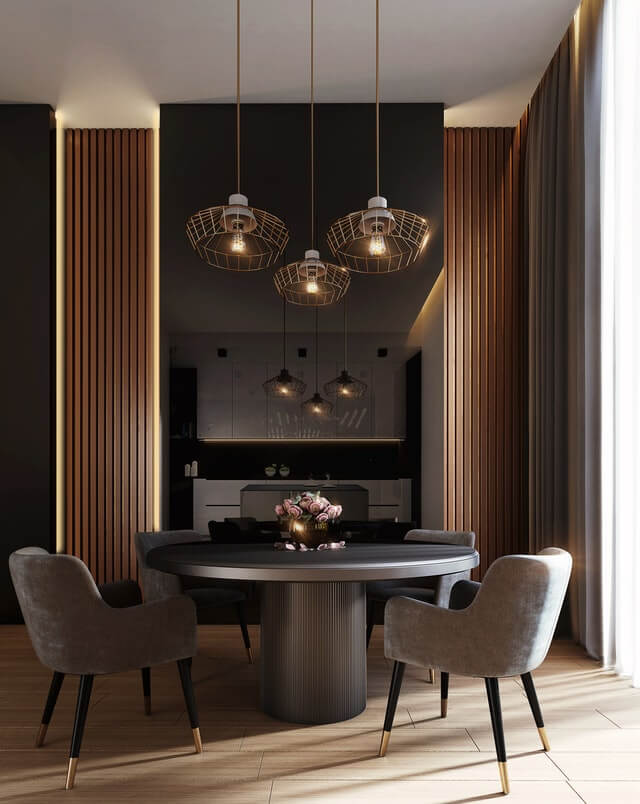
Architectural design consultancy
Engineering design service
Building supervision and construction service:
Documentation and approval services
Interior Design Service
Exterior Design Service
Residential Interior Design
Residential interior design focuses on creating comfortable, functional, and personalized living spaces. It involves careful selection of colors, furniture, and layouts to reflect the homeowner’s personality.
- Space Planning: Ensuring every area is efficiently used.
- Material & Color Selection: Setting the mood and ambiance.
- Decor & Accessories: Adding warmth and individuality.
Ultimately, it’s about building harmony and comfort while showcasing the homeowner’s story.
Commercial Interior Design
Commercial design is all about functionality and branding — from offices to retail spaces. It creates environments that boost productivity and reinforce company identity.
- Brand Identity: Integrating colors, materials, and design with the business’s vision.
- Workflow Optimization: Creating efficient layouts for employees and clients.
- Regulations: Meeting safety and accessibility standards.
Hospitality Interior Design
Hospitality design defines the experience of guests in hotels, restaurants, and resorts. It blends aesthetics with durability to create memorable and welcoming spaces.
- Theme Creation: Building immersive experiences through color and texture.
- Guest Experience: Prioritizing comfort and elegance.
- Durability: Using materials that sustain long-term use without compromising luxury.
Quick Comparison with Other Firms
While several interior design firms operate in Dhaka, few prioritize health and comfort as core design goals. A quick comparison reveals Hexagon’s clear advantage:
Hexagon Architects integrates health-conscious design, advanced 3D modeling, sustainable materials, and complete project execution.
Other firms may offer partial services, focusing on aesthetics alone without considering ergonomics, air quality, or mental well-being.
Many competitors lack in-house structural and engineering teams, causing delays and design conflicts.
Hexagon’s all-in-one service model — architecture, interior, and civil engineering — ensures technical accuracy, health-focused solutions, and seamless project coordination from start to finish.
Different Types of Interior Design Services:
Residential Interior Design:
When we talk about interior design, one of the most familiar areas is residential design. After all, our homes are our sanctuaries, and the way we design them reflects our personalities and lifestyles. Residential interior design encompasses everything from selecting color palettes to creating functional layouts that meet the needs of family members.
In my experience, each home is unique, and the key to excellent residential design lies in understanding the client’s vision. Here’s what a typical residential design project might include:
- Space Planning: This is crucial for ensuring that every room serves its purpose efficiently. For instance, when re-designing my friend’s living room, we had to find a balance between comfort and space for social gatherings.
- Color and Material Selection: Choosing the right color scheme and materials can drastically affect the ambiance of a home. I always encourage clients to think about textures and colors that make them feel at ease and reflect their personal style.
- Furniture Layout: Finding the best layout can transform how a room feels. One memorable project involved rearranging furniture in a small apartment to create an illusion of space, which made my client feel more at home.
- Decor and Accessories: Finally, the finishing touches – art, plants, and other decor elements – truly bring a home to life. I love incorporating personal items that tell a story and provide a deeper connection to the space.
Residential interior design is all about creating a harmonious atmosphere that tells the homeowner’s story while providing comfort, functionality, and aesthetics.
Commercial Interior Design:
On the other hand, commercial interior design focuses on creating spaces that are not just visually appealing but also serve specific business needs. This could include offices, retail stores, or any public space where people interact and conduct business.
The transformative power of good design in commercial spaces cannot be overstated. I recently worked on an office redesign that was aimed at fostering collaboration among team members. Here’s how the project unfolded:
- Brand Representation: The design of a commercial space should reflect the brand’s identity. For instance, while working with a tech startup, we chose modern fixtures and open spaces to embody their innovative approach.
- Functional Layout: The layout must accommodate workflows and enhance productivity. I often advocate for open spaces that encourage interaction while also providing enclosed areas for focused work. Balancing these needs is crucial.
- Client Experience: For retail environments, the interior should create an inviting atmosphere that encourages customers to explore. In one project for a boutique, we used a carefully curated layout, enriched colors, and strategic lighting to enhance the shopping experience.
- Regulatory Compliance: Working within commercial settings often involves adhering to strict regulations related to safety and accessibility, ensuring that the spaces are as functional as they are beautiful.
Commercial interior design is about creating environments that are not only efficient but also enhance the customer and employee experience.
Hospitality Interior Design:
Hospitality interior design is another fascinating subset, specifically focused on designing spaces for hotels, restaurants, and resorts. This type of design is all about creating memorable experiences for guests.
I remember working on a boutique hotel redesign. It was essential to capture the essence of the local culture while providing guests with comfort and luxury. Important elements to consider included:
- Theme Development: Hospitality spaces often revolve around a specific theme or atmosphere that can set them apart from competitors. We chose a coastal theme for the hotel to reflect its beachside location with sandy hues and nautical decor.
- Guest Experience: The design should evoke a positive emotional response. Incorporating comfortable lounges and inviting bars can encourage guests to linger. For instance, the lobby we designed used soft lighting and comfortable seating to create a welcoming first impression.
- Functional Considerations: In restaurants, the layout affects both guest satisfaction and staff flow. We designed a space that allowed for smooth traffic between kitchen, dining, and restrooms, which enhanced service efficiency.
- Durability: Hospitality spaces endure heavy foot traffic, which means materials need to withstand wear and tear without sacrificing style.
In this niche, it’s essential to create spaces where guests feel relaxed and rejuvenated while also illustrating the unique character of the establishment.
In summary, different types of interior design services cater to various needs, from the comfort of our homes to the efficiency of commercial spaces and the welcoming nature of hospitality venues. Each approach is crucial in creating environments that foster well-being, brand identity, and unforgettable experiences. Whether you’re a homeowner or a business owner, understanding these categories can guide you in selecting the right design service for your needs.
Process of Interior Design Services:
Initial Consultation:
Setting off on an interior design journey is always exciting, and it all begins with the initial consultation. This foundational step is crucial for establishing the project’s scope, understanding the client’s needs, and setting the stage for the entire design process.
In my personal experience, I love this phase because it’s where I get to know clients on a deeper level. Whether it’s a cozy residential project or a vibrant commercial space, the initial consultation allows me to gather insights into their aspirations, lifestyle, and vision. Here’s what typically happens during this meeting:
- Understanding the Client’s Vision: I encourage clients to share their ideas, preferences, and even inspirations. For example, a client once brought in a vision board filled with images of beach houses that inspired them. This guided our design direction significantly.
- Needs Assessment: We discuss the specific requirements for the space, such as functionality and aesthetics. Are they looking for a home office that balances work and relaxation, or a retail space that draws in customers at first glance?
- Budget Discussion: Establishing a budget early on helps in aligning expectations. I always remind clients that it’s easier to refine ideas when we have a clear understanding of financial constraints.
- Site Evaluation: Sometimes, this consultation involves visiting the site. I use this time to assess layout potential, light, and architectural features that might influence the design.
This first step is all about building a relationship of trust and open communication, ensuring that we start off on the right foot.
Concept Development:
Once the initial consultation is complete, we move on to concept development, where the magic truly starts to unfold. This phase brings the ideas discussed into a tangible format, helping clients visualize what their space will look like.
Here’s how I approach this part of the process:
- Mood Boards and Color Schemes: Creating mood boards is one of my favorite tasks. These boards compile images, textures, colors, and materials to represent the intended feel of the space. For a recent café project, I combined soft pastels and natural wood, invoking a relaxed, welcoming atmosphere.
- Floor Plans and Layouts: Developing detailed floor plans is essential. It allows us to test how furniture placement and traffic flow will work in the available space. I often use 3D modeling software, which helps clients visualize the layout better. One of my clients was amazed when they saw their living room come to life digitally!
- Design Presentation: After assembling the concept, I present it to the client. This usually includes the mood board, color palettes, sketches, and samples of materials. It’s a collaborative effort, and I genuinely enjoy hearing feedback and making any necessary adjustments.
This phase can take some time, but it’s worth every minute spent. It fortifies the design foundation, ensuring that everyone involved is on the same page before we jump into execution.
Design Execution:
With the concept firmly in place, we then transition into the design execution phase. This is where the plans come to life! Many clients find this step the most thrilling since tangible changes begin happening in real-time.
Here’s how I typically manage the execution process:
- Project Management: Coordination and communication are key! Throughout this stage, I act as the point of contact between different contractors, suppliers, and the client. We create a comprehensive timeline to ensure everything flows smoothly.
- Implementation of Design Elements: I oversee the installation of all design elements, from flooring to furniture selection and final touches. For a recent restaurant project, we had to ensure all finishes were in line with the coastal theme, right down to the choice of decor pieces.
- Quality Control: Regular site visits allow me to assess the work being done, troubleshoot issues, and make sure everything aligns with the original vision.
- Final Walkthrough: Once everything is complete, we conduct a final walkthrough. This is a celebratory moment where I see the joy on my clients’ faces as the completed space mirrors what we envisioned!
This entire process – from initial consultation through to design execution – emphasizes collaboration, creativity, and attention to detail. As a designer, it’s gratifying to witness the transformation of a space, fulfilling the dreams and needs of my clients. Whether you’re looking to redesign your home or revamp a commercial property, understanding this process equips you to embark on your interior design journey with confidence and enthusiasm. Now, let’s explore some of the latest trends and innovations in the world of interior design!
Trends in Interior Design Services:
As we move forward in the world of interior design, it’s essential to stay updated on the latest trends that can transform spaces and enhance the quality of life. Each trend offers unique benefits and reflects changing attitudes toward living and working environments. Let’s dive into some of the most noteworthy trends influencing interior design today.
Sustainable Design Practices
One of the most significant trends shaping the future of interior design is sustainable design practices. In recent years, I’ve noticed a growing awareness surrounding environmental responsibility, and this is reflected in many of the projects I undertake. Sustainable design focuses on creating environments that are not only beautiful and functional but also eco-friendly.
Here are some ways sustainable practices manifest in design:
- Use of Eco-Friendly Materials: Designers are increasingly opting for materials that are renewable, recyclable, or have low environmental impact. For instance, reclaimed wood, bamboo, and recycled metals are becoming staples in many designs. I once worked on a residential project where we installed reclaimed wood flooring, which not only looked stunning but also supported sustainability.
- Energy Efficiency: Incorporating energy-efficient appliances and lighting options is another aspect. LED lights, for instance, not only consume less energy but also last longer than traditional bulbs. I often recommend smart home technology that allows homeowners to optimize energy use.
- Indoor Air Quality: Sustainable design also emphasizes improving indoor air quality by using low-VOC (volatile organic compounds) paints and finishes. This approach ensures that the interior is better for the health of its occupants. For a commercial client, we switched to eco-friendly paints, creating a healthier work environment for employees.
Incorporating sustainability not only benefits the planet but also adds long-term value to spaces, making it a win-win for designers and clients alike.
Minimalist and Scandinavian Design
Another trend that continues to thrive is minimalist and Scandinavian design. Rooted in the philosophy of “less is more,” these styles focus on functionality, simplicity, and a sense of calm. I’ve found that many clients are drawn to this approach, seeking to create spaces that promote peace and relaxation amidst their busy lives.
Key hallmarks of this trend include:
- Clean Lines and Neutral Palettes: Minimalist interiors feature sleek lines and often stick to a neutral color palette, incorporating soft whites, grays, and natural hues. One client wanted a serene escape in their city apartment. By using whites and light woods, we created a bright, airy atmosphere that feels spacious.
- Natural Light Utilization: Emphasizing natural light is essential in these designs. Large windows, open spaces, and light-reflective materials help create an uplifting environment. I remember a day when we installed floor-to-ceiling windows in a home, allowing sunlight to flood in and dramatically change the interior vibe.
- Functional Furniture: In minimalist design, every piece of furniture serves a purpose. Multi-functional furniture, such as a sofa bed or ottoman with storage, is increasingly popular. In one of my recent projects, I chose elegant pieces that maximized utility without sacrificing style.
- Textural Variety: While minimalist design favors simplicity, it also celebrates textural contrast. Soft fabrics, natural woods, and stone elements can all coexist to create warmth without clutter.
This trend’s appeal lies in its focus on creating peaceful environments that invite relaxation and mindfulness.
Use of Biophilic Design Elements
Last but not least, biophilic design is gaining traction as a method to connect individuals with nature, leading to improved well-being and productivity. This approach integrates natural elements into interior spaces, allowing the positive effects of nature to permeate the built environment.
Elements of biophilic design often include:
- Living Walls and Indoor Gardens: Introducing greenery into interiors has exploded in popularity. I once designed a commercial space that featured a living wall rich with plants. The result was breathtaking! Not only did it enhance the aesthetics, but it also improved air quality and provided a calming effect for employees and clients alike.
- Natural Materials and Light: Wood, stone, and fibers derived from nature can all help create a connection to the outdoors. During a recent residential project, we used natural stone countertops and wooden furniture to incorporate a feeling of warmth inspired by nature.
- Nature-Inspired Colors and Patterns: Earthy colors and organic patterns can mimic the natural environment. I often incorporate soft greens, browns, and blues, creating a soothing ambiance reminiscent of the great outdoors.
- Views of Nature: Designing spaces to maximize views of landscapes or gardens is another key aspect of biophilic design. Window placement is crucial, as it can change the dynamics of the indoor space immensely.
By embracing biophilic design, we create spaces that nourish the mind and body, promoting overall wellness.
In conclusion, these trends – sustainable practices, minimalist and Scandinavian themes, and biophilic elements – reflect our evolving relationship with our spaces and surroundings. They remind us that design is not just about aesthetics; it’s about creating environments that improve our quality of life and align with our principles. Each trend offers distinct ways to express individuality while leading to healthier, more enjoyable living and working environments. So, as you think about your next design project, consider how these trends might inspire your own space!
Benefits of Hiring Interior Design Services
Embarking on an interior design project can be both exhilarating and overwhelming. From managing budgets to selecting materials, there’s a lot to consider! That’s where hiring professional interior design services comes into play. Having experienced designers on your side not only simplifies the process but also brings a wealth of advantages. Let’s explore some of the key benefits of hiring interior design services.
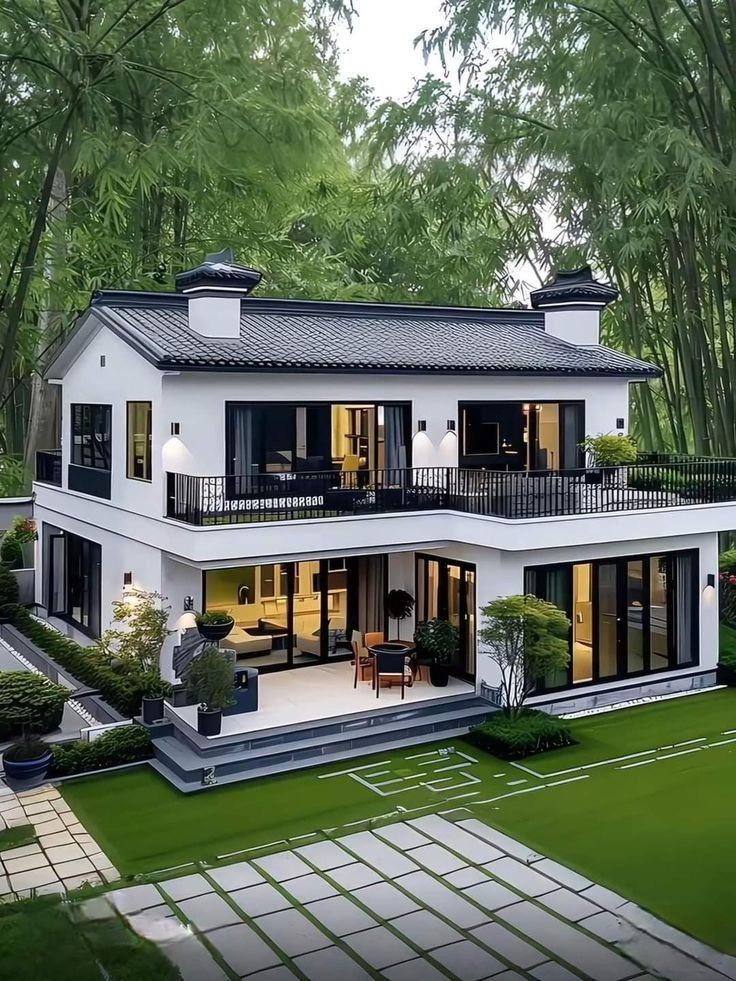
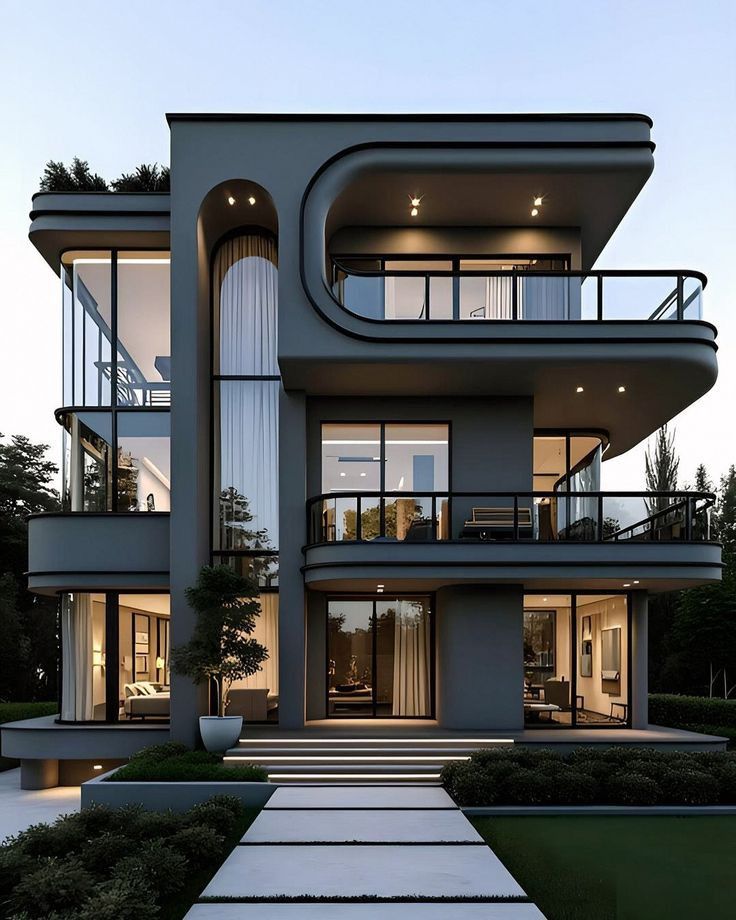


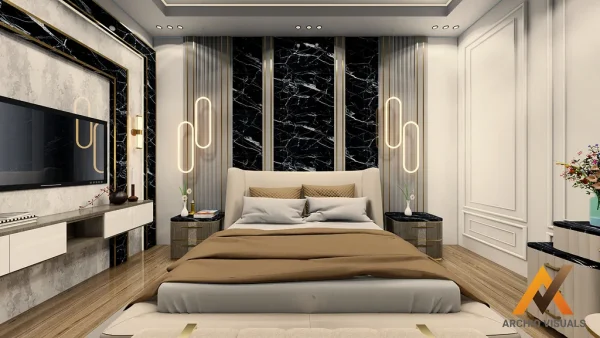
Why Hexagon is Best for Your House
What makes Hexagon Architects the best choice for house interior design in Bangladesh is their integrated, client-centered approach. Every project begins with understanding the homeowner’s lifestyle, then translating it into a design that promotes wellness, energy efficiency, and emotional balance.
With a multidisciplinary team of architects, engineers, and interior specialists, Hexagon delivers consistency in design quality and structural safety. The firm also stands out for its transparency — offering detailed cost breakdowns, progress updates, and flexible design consultations. Over the past decade and a half, Hexagon has successfully completed more than 150 residential projects across Dhaka, earning a strong reputation for excellence and trust.
By combining technical precision with creative vision, Hexagon Architects transforms ordinary spaces into personalized environments that support better living. Their health-conscious design philosophy ensures that your home not only looks stunning but also feels refreshing and restorative every day.
Frequently Asked Questions
Health-focused interior design ensures your home supports physical comfort and mental well-being through better air flow, natural lighting, non-toxic materials, and ergonomic layouts. Hexagon Architects integrates these features to make your home both beautiful and healthy to live in.
Our design team uses 3D visualization, sun-path analysis, and on-site measurements to assess lighting, ventilation, and comfort levels before and after implementation. This helps us achieve measurable improvements, such as higher daylight exposure and better air circulation.
Yes. Hexagon Architects provides a complete in-house solution — from concept design and 3D modeling to full interior construction and supervision. Our team includes architects, engineers, and craftsmen working under one management system for quality control.
Depending on project size and scope, most residential interior projects take between 8 to 16 weeks from concept design to final handover. Complex renovations or large houses may take slightly longer due to customization or permit processes.
Costs vary based on materials, size, and design complexity. On average, interior design fees range from BDT 250 to 800 per square foot, while full turnkey solutions (including materials and construction) typically start around BDT 1,200 per square foot.
We prioritize low-VOC paints, eco-friendly finishes, natural woods, and ventilation-enhancing materials. These help reduce harmful chemicals and promote a fresher indoor environment.
Absolutely. We create detailed 3D visualizations and virtual walkthroughs so you can preview your design, request changes, and approve the final look before construction starts.
Hexagon strictly follows BNBC and RAJUK regulations for safety, structure, and layout. Our in-house engineers handle all necessary design approvals and documentation to ensure full legal compliance.
Yes. Smart orientation, optimized lighting, and proper ventilation can lower electricity use for cooling and lighting by up to 20–30%, depending on your home’s size and design type.
Yes, we use BIM technology to create accurate 3D digital models of buildings. This helps clients visualize their projects, reduces errors, and improves construction coordination.
Yes. Our team is experienced in a wide range of design styles — from modern minimalist and Scandinavian to classic Bangladeshi or contemporary luxury. We customize every design to reflect your taste and lifestyle.
Of course. We design interiors for apartments, duplexes, and independent homes, focusing on space efficiency, comfort, and aesthetics tailored to your building type.
Project duration depends on size and complexity. Residential designs may take 2–4 weeks, while large-scale public or commercial projects can take several months. We always provide a clear timeline before starting.
Unlike many firms that focus only on decoration, Hexagon offers integrated architectural, civil, and interior services. Our designs are data-driven, health-conscious, and managed by licensed professionals — ensuring both beauty and safety.