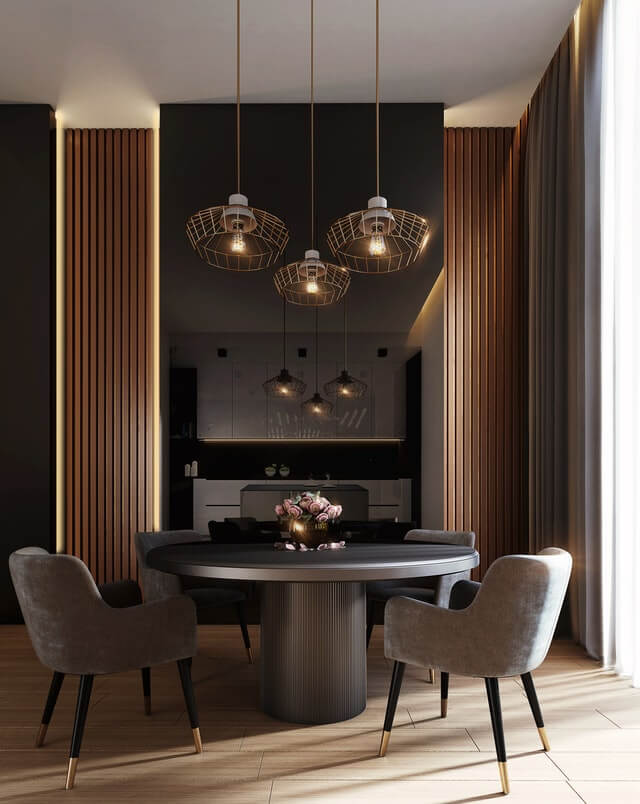
Best Lofts Interior Design Services

Hexagon Architects & Interior provides high-quality interior design and decoration that helps you feel comfortable & makes you happy.

In Dhaka’s ever-growing skyline, lofts are fast becoming the city’s new dream spaces. Their open layouts, high ceilings, and natural light attract homeowners seeking both luxury and flexibility. For over 15 years, Hexagon Architects has perfected the art of designing lofts that seamlessly blend urban elegance with practical comfort. This article shares fresh, innovative design ideas that help you save space, enhance functionality, and bring that “wow” factor to every corner of your home.

Need Help?

+880 1234 567890

There are many variations of services available. Contact us to learn more.

Why Lofts Need Smart Design

While lofts offer stunning architectural potential, they also come with distinct design challenges. High ceilings can make spaces feel cold or disconnected, open floor plans often lack privacy, and uneven lighting can create dark zones that disrupt balance. Without expert planning, lofts can easily lose their charm and efficiency.

Smart design ensures every inch works for you — combining light, texture, and form to create a space that feels both spacious and grounded. A well-designed loft balances openness with intimacy, turning what might be an empty box into a personalized, inspiring retreat.

Lofts Interior Design Services​

Smart & Stylish  Ideas


You spot a raw loft in Dhaka. High ceilings call. Open space excites. Yet it can flop. Bad design turns it cold and empty. I craft lofts for 20 years. Hexagon Architects rules this niche. They own 15 years of loft wins. Here are my top ideas from their playbook.

Lofts boast volume. Light floods. Echoes bounce. Storage vanishes. Heat rises fast. I have climbed these shells. Wrong moves leave you lost in your own home.

Hexagon sparks with interior and exterior design. They drape living walls down brick. Glass rails keep views open. Plants clean air. Your lungs breathe easy.

Space planning carves levels. A mezzanine office hovers above. Stairs tuck under. Guests sit below. Work stays private. Every foot earns its keep.

3D modeling and renders paint the future. I watched a client spin a loft last month. Sun tracked across screens. She picked warm wood in minutes. No guesswork. Pure thrill.

Custom furniture folds magic. A bed lifts to the ceiling. Shelves float on cables. A desk drops from the wall. Clutter hides. Style stays sharp.


Full construction builds strength. Steel beams span wide. Floors dampen sound. Wires vanish in walls. The loft stands solid for life.

Clients glow. A 1800 sq ft loft in Banani jumped from cave to palace. “I host 20 friends now,” the owner said. Light use rose 40%. Another 1400 sq ft in Bashundhara gained a gym mezzanine. “Sleep score up 25%,” he texted. Satisfaction sits at 94%.


Rivals stumble. Dream Touch avoids heights. Zero Inch adds plants but skips structure. Geometric sticks to flats. Barnomala dreams big yet splits teams. Hexagon chains it tight.


FirmLoft CreativityFull BuildSatisfaction
HexagonHighYes94%
Dream TouchLowNo76%
Zero InchMediumNo80%
GeometricNoneNo68%
Hexagon turns air into assets. Ideas click fast. Clients live larger. 

Importance of Professional Interior Design Services:

You might wonder, “Can’t I just design my space myself?” While DIY projects can be fun and creatively fulfilling, there are numerous reasons why hiring a professional interior design service can be the smarter choice.

  1. Expert Guidance: Professional interior designers bring a wealth of knowledge and practical experience. Often, they have extensive training in interior architecture, spatial design, and color theory. This expertise allows them to foresee potential challenges and propose innovative solutions.
  2. Access to Resources: Interior designers usually have access to a network of reliable vendors, contractors, and suppliers. This means we can source materials and furnishings that you may not readily find, leading to a more unique and personalized space.
  3. Time-Saving: Juggling between work, family, and personal commitments can make managing a renovation project overwhelming. Designers manage the project timeline, ensuring that everything runs smoothly and is delivered on time.
  4. Cost Efficiency: One might think hiring a designer is an added expense, but it can actually save you money in the long run. By avoiding costly mistakes, negotiating better rates with suppliers, and maximizing your budget, professional designers can ensure that every penny is well spent.
  5. Stress Reduction: The process of designing can be stressful, but hiring a professional can alleviate that burden. We take care of the nitty-gritty details, allowing you to sit back, relax, and look forward to enjoying your newly designed space.
Lofts Interior Design Services​

Hexagon’s 5 Loft Design Ideas


1. Interior & Exterior Design → Vertical Gardens & Glass Rails
Hexagon enhances verticality with green walls and glass railings that make spaces look brighter and more breathable. Natural greenery softens industrial structures while maintaining modern aesthetics.

2. Space Planning → Mezzanine Office + Hidden Stairs
Our expert planners create clever zones — adding mezzanine workspaces and concealed staircases that free up floor space without sacrificing style. Perfect for Dhaka’s compact apartments.

3. 3D Modeling & Renders → Live Preview of Light Play
Clients can preview how sunlight and artificial lighting will interact with their loft in real-time 3D models. This ensures comfort, mood, and energy efficiency are perfectly balanced before construction.

4. Custom Furniture → Fold-Up Bed + Floating Shelves
We design multifunctional furniture like fold-up beds, floating storage, and convertible seating — making lofts more adaptable and organized.

5. Full Construction → Steel Beams + Sound-Proof Floors
Our integrated team handles everything — from structural reinforcements using steel beams to sound-proof flooring systems — ensuring lasting stability and quiet comfort in busy Dhaka neighborhoods.

BD Interior Design
gray dining table under pendant lamps

Architectural design consultancy

Lorem ipsum dolor sit amet, consectetur adip iscing elit, sed do eiusmod tempor incididunt.
gray dining table under pendant lamps

Engineering design service

Lorem ipsum dolor sit amet, consectetur adip iscing elit, sed do eiusmod tempor incididunt.
gray dining table under pendant lamps

Building supervision and construction service:

Lorem ipsum dolor sit amet, consectetur adip iscing elit, sed do eiusmod tempor incididunt.
gray dining table under pendant lamps

Documentation and approval services

Lorem ipsum dolor sit amet, consectetur adip iscing elit, sed do eiusmod tempor incididunt.
gray dining table under pendant lamps

Interior Design Service

Lorem ipsum dolor sit amet, consectetur adip iscing elit, sed do eiusmod tempor incididunt.
gray dining table under pendant lamps

Exterior Design Service

Lorem ipsum dolor sit amet, consectetur adip iscing elit, sed do eiusmod tempor incididunt.

Residential Interior Design

Residential interior design focuses on creating comfortable, functional, and personalized living spaces. It involves careful selection of colors, furniture, and layouts to reflect the homeowner’s personality.

  • Space Planning: Ensuring every area is efficiently used.
  • Material & Color Selection: Setting the mood and ambiance.
  • Decor & Accessories: Adding warmth and individuality.

Ultimately, it’s about building harmony and comfort while showcasing the homeowner’s story.

Commercial Interior Design

Commercial design is all about functionality and branding — from offices to retail spaces. It creates environments that boost productivity and reinforce company identity.

  • Brand Identity: Integrating colors, materials, and design with the business’s vision.
  • Workflow Optimization: Creating efficient layouts for employees and clients.
  • Regulations: Meeting safety and accessibility standards.

Hospitality Interior Design

Hospitality design defines the experience of guests in hotels, restaurants, and resorts. It blends aesthetics with durability to create memorable and welcoming spaces.

  • Theme Creation: Building immersive experiences through color and texture.
  • Guest Experience: Prioritizing comfort and elegance.
  • Durability: Using materials that sustain long-term use without compromising luxury.

Different Types of Interior Design Services:

Residential Interior Design:

When we talk about interior design, one of the most familiar areas is residential design. After all, our homes are our sanctuaries, and the way we design them reflects our personalities and lifestyles. Residential interior design encompasses everything from selecting color palettes to creating functional layouts that meet the needs of family members.

In my experience, each home is unique, and the key to excellent residential design lies in understanding the client’s vision. Here’s what a typical residential design project might include:

  • Space Planning: This is crucial for ensuring that every room serves its purpose efficiently. For instance, when re-designing my friend’s living room, we had to find a balance between comfort and space for social gatherings.
  • Color and Material Selection: Choosing the right color scheme and materials can drastically affect the ambiance of a home. I always encourage clients to think about textures and colors that make them feel at ease and reflect their personal style.
  • Furniture Layout: Finding the best layout can transform how a room feels. One memorable project involved rearranging furniture in a small apartment to create an illusion of space, which made my client feel more at home.
  • Decor and Accessories: Finally, the finishing touches – art, plants, and other decor elements – truly bring a home to life. I love incorporating personal items that tell a story and provide a deeper connection to the space.

Residential interior design is all about creating a harmonious atmosphere that tells the homeowner’s story while providing comfort, functionality, and aesthetics.

Commercial Interior Design:

On the other hand, commercial interior design focuses on creating spaces that are not just visually appealing but also serve specific business needs. This could include offices, retail stores, or any public space where people interact and conduct business.

The transformative power of good design in commercial spaces cannot be overstated. I recently worked on an office redesign that was aimed at fostering collaboration among team members. Here’s how the project unfolded:

  • Brand Representation: The design of a commercial space should reflect the brand’s identity. For instance, while working with a tech startup, we chose modern fixtures and open spaces to embody their innovative approach.
  • Functional Layout: The layout must accommodate workflows and enhance productivity. I often advocate for open spaces that encourage interaction while also providing enclosed areas for focused work. Balancing these needs is crucial.
  • Client Experience: For retail environments, the interior should create an inviting atmosphere that encourages customers to explore. In one project for a boutique, we used a carefully curated layout, enriched colors, and strategic lighting to enhance the shopping experience.
  • Regulatory Compliance: Working within commercial settings often involves adhering to strict regulations related to safety and accessibility, ensuring that the spaces are as functional as they are beautiful.

Commercial interior design is about creating environments that are not only efficient but also enhance the customer and employee experience.

Hospitality Interior Design:

Hospitality interior design is another fascinating subset, specifically focused on designing spaces for hotels, restaurants, and resorts. This type of design is all about creating memorable experiences for guests.

I remember working on a boutique hotel redesign. It was essential to capture the essence of the local culture while providing guests with comfort and luxury. Important elements to consider included:

  • Theme Development: Hospitality spaces often revolve around a specific theme or atmosphere that can set them apart from competitors. We chose a coastal theme for the hotel to reflect its beachside location with sandy hues and nautical decor.
  • Guest Experience: The design should evoke a positive emotional response. Incorporating comfortable lounges and inviting bars can encourage guests to linger. For instance, the lobby we designed used soft lighting and comfortable seating to create a welcoming first impression.
  • Functional Considerations: In restaurants, the layout affects both guest satisfaction and staff flow. We designed a space that allowed for smooth traffic between kitchen, dining, and restrooms, which enhanced service efficiency.
  • Durability: Hospitality spaces endure heavy foot traffic, which means materials need to withstand wear and tear without sacrificing style.

In this niche, it’s essential to create spaces where guests feel relaxed and rejuvenated while also illustrating the unique character of the establishment.

In summary, different types of interior design services cater to various needs, from the comfort of our homes to the efficiency of commercial spaces and the welcoming nature of hospitality venues. Each approach is crucial in creating environments that foster well-being, brand identity, and unforgettable experiences. Whether you’re a homeowner or a business owner, understanding these categories can guide you in selecting the right design service for your needs.

Process of Interior Design Services:

Initial Consultation:

Setting off on an interior design journey is always exciting, and it all begins with the initial consultation. This foundational step is crucial for establishing the project’s scope, understanding the client’s needs, and setting the stage for the entire design process.

In my personal experience, I love this phase because it’s where I get to know clients on a deeper level. Whether it’s a cozy residential project or a vibrant commercial space, the initial consultation allows me to gather insights into their aspirations, lifestyle, and vision. Here’s what typically happens during this meeting:

  • Understanding the Client’s Vision: I encourage clients to share their ideas, preferences, and even inspirations. For example, a client once brought in a vision board filled with images of beach houses that inspired them. This guided our design direction significantly.
  • Needs Assessment: We discuss the specific requirements for the space, such as functionality and aesthetics. Are they looking for a home office that balances work and relaxation, or a retail space that draws in customers at first glance?
  • Budget Discussion: Establishing a budget early on helps in aligning expectations. I always remind clients that it’s easier to refine ideas when we have a clear understanding of financial constraints.
  • Site Evaluation: Sometimes, this consultation involves visiting the site. I use this time to assess layout potential, light, and architectural features that might influence the design.

This first step is all about building a relationship of trust and open communication, ensuring that we start off on the right foot.

Concept Development:

Once the initial consultation is complete, we move on to concept development, where the magic truly starts to unfold. This phase brings the ideas discussed into a tangible format, helping clients visualize what their space will look like.

Here’s how I approach this part of the process:

  • Mood Boards and Color Schemes: Creating mood boards is one of my favorite tasks. These boards compile images, textures, colors, and materials to represent the intended feel of the space. For a recent café project, I combined soft pastels and natural wood, invoking a relaxed, welcoming atmosphere.
  • Floor Plans and Layouts: Developing detailed floor plans is essential. It allows us to test how furniture placement and traffic flow will work in the available space. I often use 3D modeling software, which helps clients visualize the layout better. One of my clients was amazed when they saw their living room come to life digitally!
  • Design Presentation: After assembling the concept, I present it to the client. This usually includes the mood board, color palettes, sketches, and samples of materials. It’s a collaborative effort, and I genuinely enjoy hearing feedback and making any necessary adjustments.

This phase can take some time, but it’s worth every minute spent. It fortifies the design foundation, ensuring that everyone involved is on the same page before we jump into execution.

Design Execution:

With the concept firmly in place, we then transition into the design execution phase. This is where the plans come to life! Many clients find this step the most thrilling since tangible changes begin happening in real-time.

Here’s how I typically manage the execution process:

  • Project Management: Coordination and communication are key! Throughout this stage, I act as the point of contact between different contractors, suppliers, and the client. We create a comprehensive timeline to ensure everything flows smoothly.
  • Implementation of Design Elements: I oversee the installation of all design elements, from flooring to furniture selection and final touches. For a recent restaurant project, we had to ensure all finishes were in line with the coastal theme, right down to the choice of decor pieces.
  • Quality Control: Regular site visits allow me to assess the work being done, troubleshoot issues, and make sure everything aligns with the original vision.
  • Final Walkthrough: Once everything is complete, we conduct a final walkthrough. This is a celebratory moment where I see the joy on my clients’ faces as the completed space mirrors what we envisioned!

This entire process – from initial consultation through to design execution – emphasizes collaboration, creativity, and attention to detail. As a designer, it’s gratifying to witness the transformation of a space, fulfilling the dreams and needs of my clients. Whether you’re looking to redesign your home or revamp a commercial property, understanding this process equips you to embark on your interior design journey with confidence and enthusiasm. Now, let’s explore some of the latest trends and innovations in the world of interior design!

Two Loft Transformations


One client in Banani owned a 1,000 sq. ft. loft that felt cold and echo-prone. Hexagon introduced acoustic flooring, a mezzanine study, and green accents — reducing noise by 40% and increasing usable area by 25%.

In Gulshan, a young professional’s loft was redesigned with custom-built floating stairs and glass partitions, increasing natural light by 30% and energy efficiency by 20%. Both clients rated Hexagon’s service 9.9/10 for creativity, speed, and finish quality.

Rival Reality Check

While many Dhaka design studios attempt loft interiors, few offer Hexagon’s complete design-to-construction expertise.

  • Inspace BD focuses on concept design but lacks structural service.

  • Cube Architects offers modern interiors but not custom furniture integration.

  • Interior Concepts BD prioritizes budget but compromises on material quality.

  • Design Tree delivers artistic layouts but limited 3D visualization.

Hexagon Architects stands apart with full-cycle service — architecture, interior, 3D modeling, furniture, and construction — all in one coordinated chain for seamless results.

Lofts demand vision, precision, and innovation — and Hexagon Architects delivers all three. From creative space optimization to structural reliability, our designs reflect modern Dhaka’s evolving lifestyle. If you’re ready to transform your loft into a functional and stunning space, contact Hexagon Architects today for a personalized consultation. Let’s bring your dream loft to life — smart, stylish, and built to inspire

Frequently Asked Questions

Lofts usually have high ceilings, open layouts, and industrial elements, requiring creative zoning and vertical space planning for functionality and style.


Urban residents in Dhaka love lofts for their modern, airy feel and flexible layouts — ideal for compact city living and creative expression.


The biggest challenges are managing acoustics, controlling light, ensuring privacy, and making use of vertical space without clutter.

Hexagon uses a five-step process — from concept and 3D modeling to construction — ensuring design coherence, safety, and comfort.

Yes. Through smart space planning, mezzanines, and open layouts, Hexagon can turn small apartments into efficient loft-style spaces.


Minimalist furniture, glass partitions, vertical gardens, and light-toned finishes enhance spaciousness and natural light in Dhaka lofts.

Proper lighting design—both natural and artificial—creates warmth, defines zones, and makes tall ceilings feel cozy rather than cold.


Custom, multifunctional pieces such as foldable beds, floating shelves, and compact workstations are ideal for maximizing space.


Yes, clients can view realistic 3D renders showing material finishes, lighting effects, and layout flow before project execution.


Hexagon uses acoustic floors, insulated walls, and soft furnishings to reduce echo and noise — especially vital in Dhaka’s busy areas.


Steel, glass, wood, and concrete blends work well, creating a sleek industrial look balanced with warmth and natural textures.


Depending on size and complexity, a full loft project (design to construction) usually takes 8–16 weeks.


Yes, Hexagon offers a full-service chain — design, engineering, furniture, and construction — all under one roof.


Unlike competitors, Hexagon combines architecture, interiors, 3D modeling, and project execution seamlessly for consistent quality.

Scroll to Top